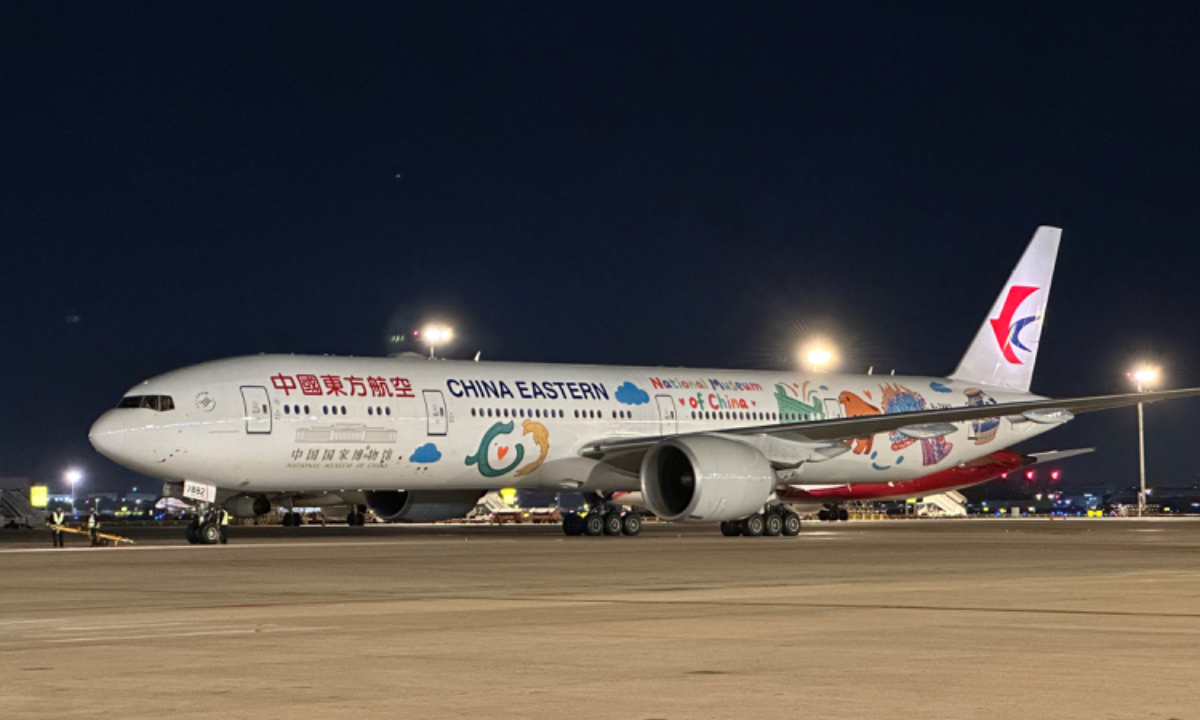
China — China has officially launched the world’s longest one‑way commercial flight, connecting Asia directly to South America. This milestone in aviation shortens travel time between the two continents by more than four hours, marking a significant achievement in global connectivity.
The new route demonstrates China’s ambition to strengthen its role in international aviation. By offering a direct link between China and South America, the airline not only sets a record but also enhances trade, tourism, and cultural exchange. For passengers, the reduced travel time represents convenience and efficiency, while for the aviation industry, it signals technological and operational progress.
From a business perspective, the flight is expected to boost economic ties. South America’s growing demand for Chinese goods and services, coupled with China’s interest in Latin American markets, makes this route strategically important. Direct connectivity reduces logistical barriers and opens opportunities for faster, more reliable trade flows.
The achievement also highlights China’s investment in long‑haul aviation technology. Operating the world’s longest flight requires advanced aircraft, optimized fuel efficiency, and precise logistical planning. It reflects the country’s commitment to innovation and its determination to compete with established global carriers.
Observers note that the flight is more than a technical record. It symbolizes China’s broader vision of integrating itself into global networks. By bridging Asia and South America, the airline positions itself as a facilitator of international cooperation, reinforcing China’s image as a global connector in both commerce and culture.
Ultimately, the launch of the world’s longest one‑way flight is a landmark in aviation history. It reduces travel barriers, strengthens economic partnerships, and underscores the role of air transport in shaping globalization. For China, it is both a practical achievement and a statement of leadership in the future of international aviation.